Understanding the ACFT Sprint Drag Carry Score: A Comprehensive Guide
The scoring is designed to encourage soldiers to improve their physical fitness and performance. The time-based scoring system allows for a measurable and objective assessment, ensuring that all soldiers are held to the same standard.
 This holistic approach encourages soldiers to improve their performance across all events, fostering a well-rounded fitness regimen that prepares them for the rigors of military life. In addition to the tiered scoring system, the Army is expected to place a greater emphasis on the importance of overall fitness, rather than just individual event scores. The focus will be on developing strength, endurance, and agility, which are critical for success in various operational scenarios.
Engaging with leadership and participating in training sessions will ensure that soldiers are well-prepared to meet the evolving standards. Emphasizing a culture of fitness and resilience within units will also be vital in adapting to the new scoring criteria. As the Army continues to refine the ACFT, it is crucial for soldiers to stay informed about the latest developments and changes to the scoring system.
Each event was scored on a scale of 0 to 100 points, and soldiers were required to achieve a minimum score in each event to pass the test. The APFT, which was in use for over three decades, consisted of three events: the push-up, sit-up, and two-mile run. The APFT’s focus on traditional exercises led to concerns about its effectiveness in preparing soldiers for the rigors of military operations. The APFT emphasized muscular endurance and aerobic capacity, but critics argued that it did not adequately reflect the physical demands of modern combat scenarios.
First, it necessitates a shift in training regimens, with soldiers encouraged to focus on a broader range of fitness components rather than solely endurance. This holistic approach to fitness is expected to improve overall soldier readiness, reducing the risk of injury and enhancing performance in combat situations. The implementation of the 2026 acft score calculator score table has several implications for soldier training and development.
Focus on Strength Training: Incorporate strength training into your routine, particularly for the deadlift and hand-release push-up. These exercises are crucial components of the ACFT and require a different training approach compared to the APFT.
While they may not have the latest technology, they still offer a good balance of performance and cost. Maintenance requirements begin to increase as the aircraft ages, but many operators find that young aircraft are still a viable option for commercial operations. Resale value can begin to decline, but these aircraft can still be attractive to buyers looking for a more budget-friendly option. Young Aircraft (6-15 years):
Young aircraft have been in service for six to fifteen years.
The latest iteration of the ACFT score table in 2026 reflects these changes, focusing on a comprehensive evaluation of soldier fitness that aligns with the demands of contemporary warfare. This case study explores the implications of the 2026 ACFT score table, its components, and its impact on soldier performance and readiness. The Army Combat Fitness Test (ACFT) has undergone significant changes since its inception, evolving to better assess the physical readiness of soldiers in a modern combat environment.
The Army recognizes that a soldier’s ability to perform in combat is influenced by their overall health, and the ACFT will reflect this understanding. This may include assessments of body composition, nutritional health, and mental resilience. Increased Focus on Health and Wellness: The 2026 standards will likely place greater emphasis on overall health and wellness rather than just physical performance.
As the ACFT evolves, particularly with the anticipated changes and scoring adjustments set for 2026, it is essential for soldiers and commanders to understand what these scores mean and how they will impact overall fitness evaluations. Army’s physical fitness program, designed to assess soldiers’ physical readiness for combat. The Army Combat Fitness Test (ACFT) is a pivotal component of the U.S.
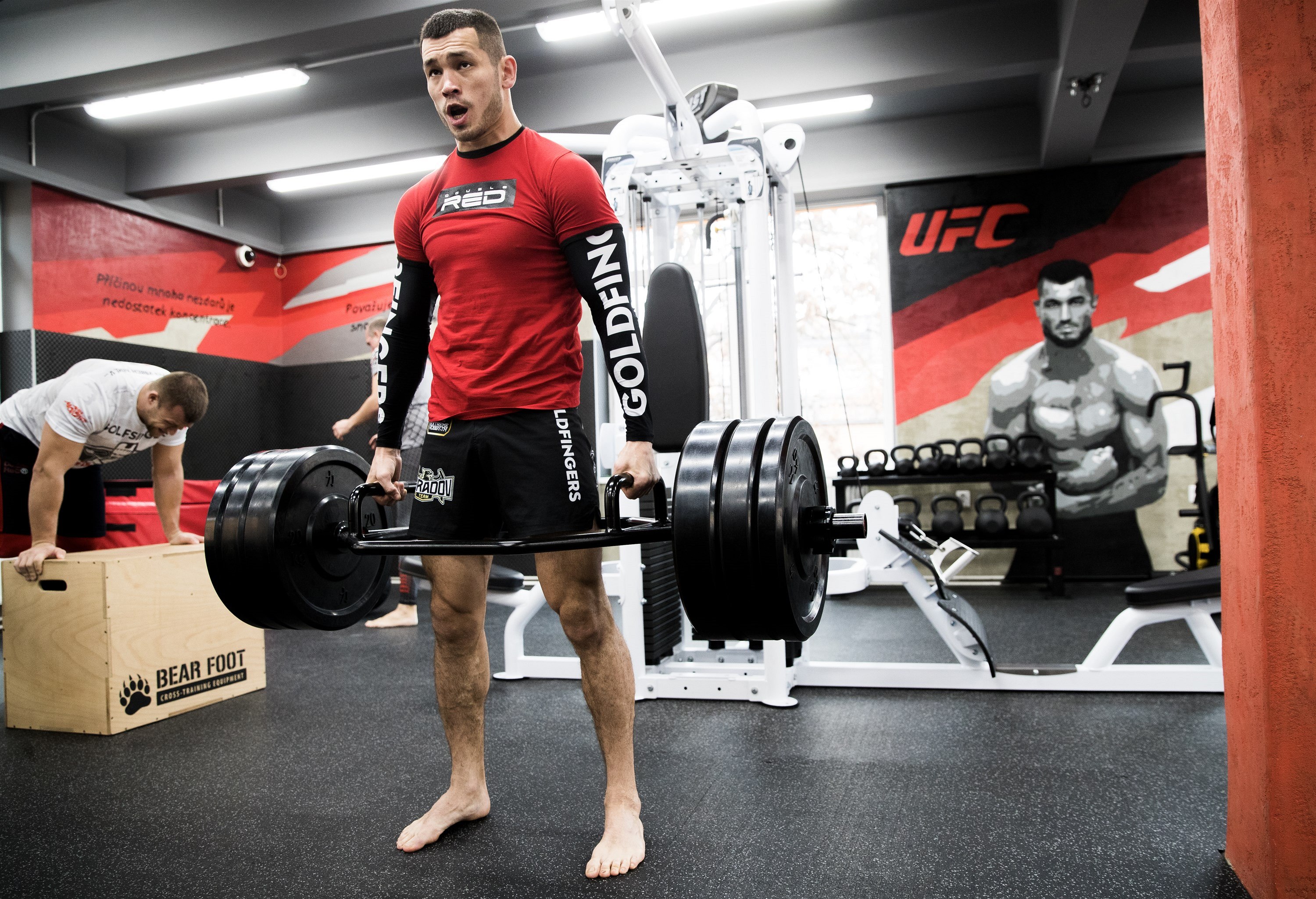
This event emphasizes the importance of functional strength, which is crucial for various military tasks. In the 2026 score table, soldiers can lift weights ranging from 140 to 340 pounds, with scoring based on the maximum weight lifted. The deadlift, one of the key strength assessments, requires soldiers to lift a weighted barbell from the ground to a standing position.
The event is designed to simulate the physical demands soldiers might face in combat situations. The Sprint Drag Carry consists of three primary movements: a sprint, a drag, and a carry. The SDC is performed as follows:
The ACFT was officially implemented in 2020, replacing the Army Physical Fitness Test (APFT). The Army Combat Fitness Test (ACFT) is a physical fitness assessment adopted by the United States Army, designed to ensure soldiers are physically prepared for combat. This case study explores the anticipated changes to the ACFT standards by age and gender in 2026, highlighting the importance of inclusivity and physical readiness. As the Army continues to refine this assessment, the standards for the ACFT are set to undergo a significant revision in 2026, which will take into account age and gender differences.