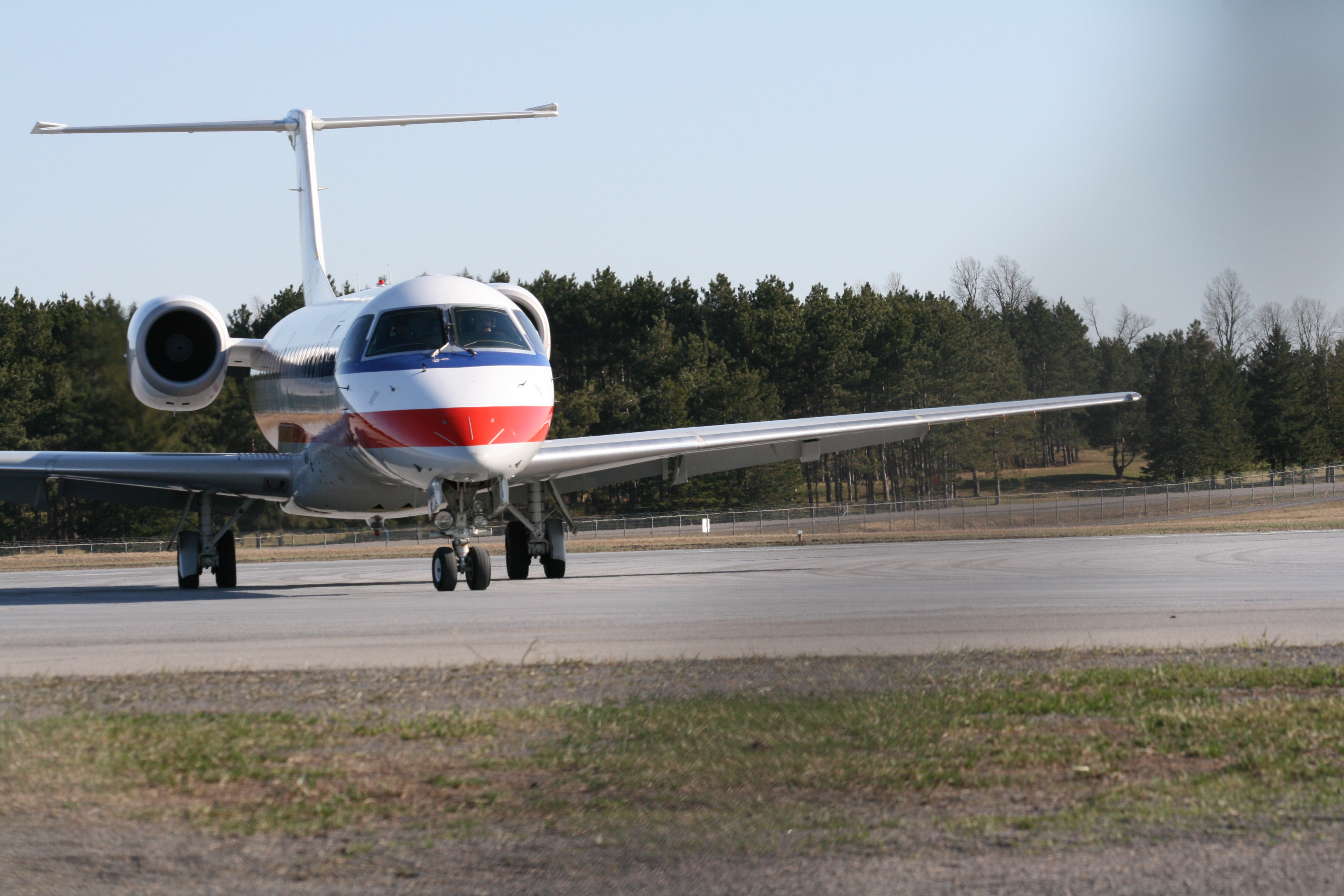
The Rise of Private Air Flights: A New Era in Aviation
In recent years, the landscape of air travel has undergone a significant transformation, with private air flights emerging as a prominent alternative to commercial aviation. The allure of private jets, once reserved for the elite, has expanded to include a broader demographic, thanks to advancements in technology, a growing emphasis on convenience, and a burgeoning market for on-demand air travel. This article explores the factors contributing to the rise of private air flights, the benefits they offer, and the challenges that lie ahead in this evolving sector.

The Evolution of Private Air Travel
Historically, private air travel was synonymous with luxury and exclusivity. Celebrities, business moguls, and government officials frequently utilized private jets to bypass the hassles of commercial air travel. However, the introduction of fractional ownership programs, charter services, and jet card memberships has democratized access to private aviation. Companies like NetJets, Flexjet, and VistaJet have pioneered models that allow individuals and companies to share the costs of ownership or pay for flights as needed, making private air travel more accessible than ever before.
Factors Driving Demand
Several factors have fueled the increasing demand for private air flights:
- Time Efficiency: In today’s fast-paced world, time is a precious commodity. Private flights significantly reduce travel time by eliminating long security lines, boarding delays, and layovers associated with commercial flights. Passengers can arrive at the airport just minutes before departure, allowing them to maximize their productivity and minimize wasted time.
- Flexibility and Convenience: Private air travel offers unparalleled flexibility. Passengers can choose their departure times, destinations, and even flight paths, accommodating last-minute changes in plans. This level of convenience is particularly appealing to business travelers who require agility in their schedules.
- Health and Safety Considerations: The COVID-19 pandemic has reshaped perceptions of air travel, with many travelers prioritizing health and safety. Private flights provide a controlled environment, reducing exposure to large crowds and potential health risks. Enhanced cleaning protocols and private terminals further contribute to a safer travel experience.
- Technological Advancements: Innovations in aviation technology have made private flights more efficient and cost-effective. The development of smaller, more fuel-efficient jets has expanded the market, enabling operators to offer competitive pricing. Additionally, advancements in booking platforms and apps have simplified the process of securing private flights, making them more user-friendly.
Benefits of Private Air Flights
The advantages of private air travel extend beyond mere convenience. Some of the key benefits include:
- Personalized Experience: Private flights offer a bespoke travel experience tailored to individual preferences. Passengers can customize everything from in-flight catering to entertainment options, ensuring that their journey aligns with their tastes and needs.
- Privacy and Comfort: For high-profile individuals and corporate executives, privacy is paramount. Private jets provide a secluded environment where passengers can conduct meetings, make confidential phone calls, or simply relax without the prying eyes of strangers. The spacious interiors of private jets also enhance comfort, allowing for a more enjoyable flight experience.
- Access to Remote Destinations: Private aviation opens up access to airports that are often not serviced by commercial airlines. This capability allows travelers to reach remote locations, private islands, or regional hubs that would otherwise require lengthy ground transportation.
- Networking Opportunities: For business travelers, private flights can facilitate valuable networking opportunities. The intimate setting of a private jet allows for meaningful conversations and relationship-building among colleagues or clients, enhancing the potential for collaboration and business development.
Challenges Facing the Industry
Despite the many advantages, the private aviation sector faces several challenges that must be addressed to sustain its growth:
- Environmental Concerns: The aviation industry is under increasing scrutiny for its environmental impact. Private jets, often criticized for their carbon footprint, must adapt to the growing demand for sustainability. Operators are exploring options such as sustainable aviation fuels (SAFs), carbon offset programs, and more efficient aircraft designs to mitigate their environmental impact.
- Regulatory Hurdles: The private aviation industry is subject to a complex web of regulations that vary by country and region. Navigating these regulations can be cumbersome for operators and may hinder the growth of the sector. Streamlining regulatory processes and fostering international cooperation will be essential for the industry’s continued expansion.
- Market Saturation: As the popularity of private air travel increases, the market may become saturated with operators vying for a share of the pie. This competition could drive down prices, impacting the profitability of existing companies. To thrive, operators will need to differentiate themselves through exceptional service, unique offerings, and innovative solutions.
- Economic Fluctuations: The demand for private air travel is closely tied to the economic climate. Economic downturns can lead to reduced corporate travel budgets and a decline in discretionary spending. Operators must remain agile and adapt their business models to navigate fluctuations in demand.
The Future of Private Air Travel
Looking ahead, the future of private air travel appears promising. As technology continues to advance and the demand for personalized travel experiences grows, private aviation is likely to evolve further. The rise of electric and hybrid aircraft, the integration of artificial intelligence in flight operations, and the potential for urban air mobility solutions could revolutionize the industry.
Moreover, the growing trend of remote work and the increasing globalization of business may continue to drive demand for private air travel. As more professionals seek flexibility in their work arrangements, private jets may become a preferred mode of transportation for those who value efficiency and convenience.
In conclusion, private air flights are on the rise, fueled by a combination of technological advancements, changing consumer preferences, and a desire for efficiency and convenience. If you have any type of questions relating to where and how you can utilize top 10 private jet Charter Companies, you could call us at the web-site. While challenges remain, the future of private aviation is bright, with opportunities for growth and innovation on the horizon. As this sector continues to evolve, it will undoubtedly play a vital role in shaping the future of air travel.