
Enhancing Soldier Readiness: The Army Combat Fitness Test Calculator
Army, and understanding how to prepare for it is crucial for success. The ACFT calculator serves as a powerful tool for soldiers to assess their performance, set goals, and track progress. Embracing the ACFT and its associated tools will not only benefit individual soldiers but will also contribute to the overall effectiveness and readiness of the Army as a whole. By utilizing the calculator and focusing on the components of the test, soldiers can enhance their physical fitness, ultimately leading to improved performance in their military careers. The ACFT is an essential component of soldier readiness in the U.S.
Increased Engagement: The gamification of fitness through the calculator encourages soldiers to engage more actively in their physical training. This heightened engagement translates to better performance during the actual test.
The tool was eventually made available to the broader aviation community through an online platfor Training sessions were conducted to familiarize users with the application, and feedback was collected to make necessary adjustments. The AHWC was rolled out in phases, starting with a pilot program involving select aviation companies.
Sprint-Drag-Carry: This event tests agility and overall physical fitness. Soldiers sprint 50 meters, drag a sled for 50 meters, carry two kettlebells for 50 meters, and sprint back to the starting point.
Traditionally, these measurements were taken manually using physical tools and calculations, which could lead to errors and inconsistencies. Aircraft height and weight are critical metrics that influence flight dynamics, fuel efficiency, payload capacity, and overall operational safety. With advancements in technology, there was a growing need for a digital solution that could streamline this process and enhance accurac
The theoretical framework behind the ACFT underscores the importance of a holistic approach to fitness, emphasizing the need for soldiers to excel in various physical domains. In conclusion, the Army ACFT score calculator represents a significant advancement in the assessment of soldier physical readiness. By providing a multifaceted evaluation of fitness, it aligns with the Army’s commitment to maintaining a highly capable and prepared force. As the Army continues to refine its training and assessment methodologies, the ACFT score calculator will undoubtedly play a crucial role in shaping the future of soldier readiness and performance.
Sprint-Drag-Carry: This event tests agility and functional strength. The maximum score is achieved with a time of 3 minutes and 35 seconds or less. Soldiers sprint 50 meters, drag a sled weighing 90 pounds for 50 meters, carry two kettlebells (40 pounds each) for another 50 meters, and then sprint back to the start.
The ACFT score calculator also incorporates a feedback mechanism that allows soldiers to track their progress over time. By inputting their performance data into the calculator, soldiers can receive insights into their strengths and areas for improvement. The ability to monitor progress is crucial, as it enables soldiers to set realistic goals and develop tailored training programs that address their individual needs. This data-driven approach not only motivates soldiers to enhance their fitness levels but also fosters a culture of continuous improvement within the Army.
As the Army continues to prioritize physical fitness, tools like the acft calculator promotion points 2026 army Calculator will remain essential in fostering a culture of health and readiness among soldiers. With dedication and the right training strategies, soldiers can improve their scores, ensuring they are always prepared for the challenges of military service. Utilizing this tool effectively not only benefits individual soldiers but also contributes to the overall effectiveness and preparedness of the Army as a whole. The Army ACFT Calculator is an invaluable resource for soldiers looking to enhance their physical fitness and meet the Army’s rigorous standards. By providing a clear and concise way to assess performance, it empowers soldiers to take charge of their fitness journey.
User Acceptance Testing (UAT): A group of pilots and engineers tested the application in real-world scenarios, providing feedback on usability and functionality. Unit Testing: Individual components of the application were tested to verify that each function performed as expected. Performance Testing: The application was evaluated under different loads to ensure it could handle multiple users simultaneously without performance degradatio
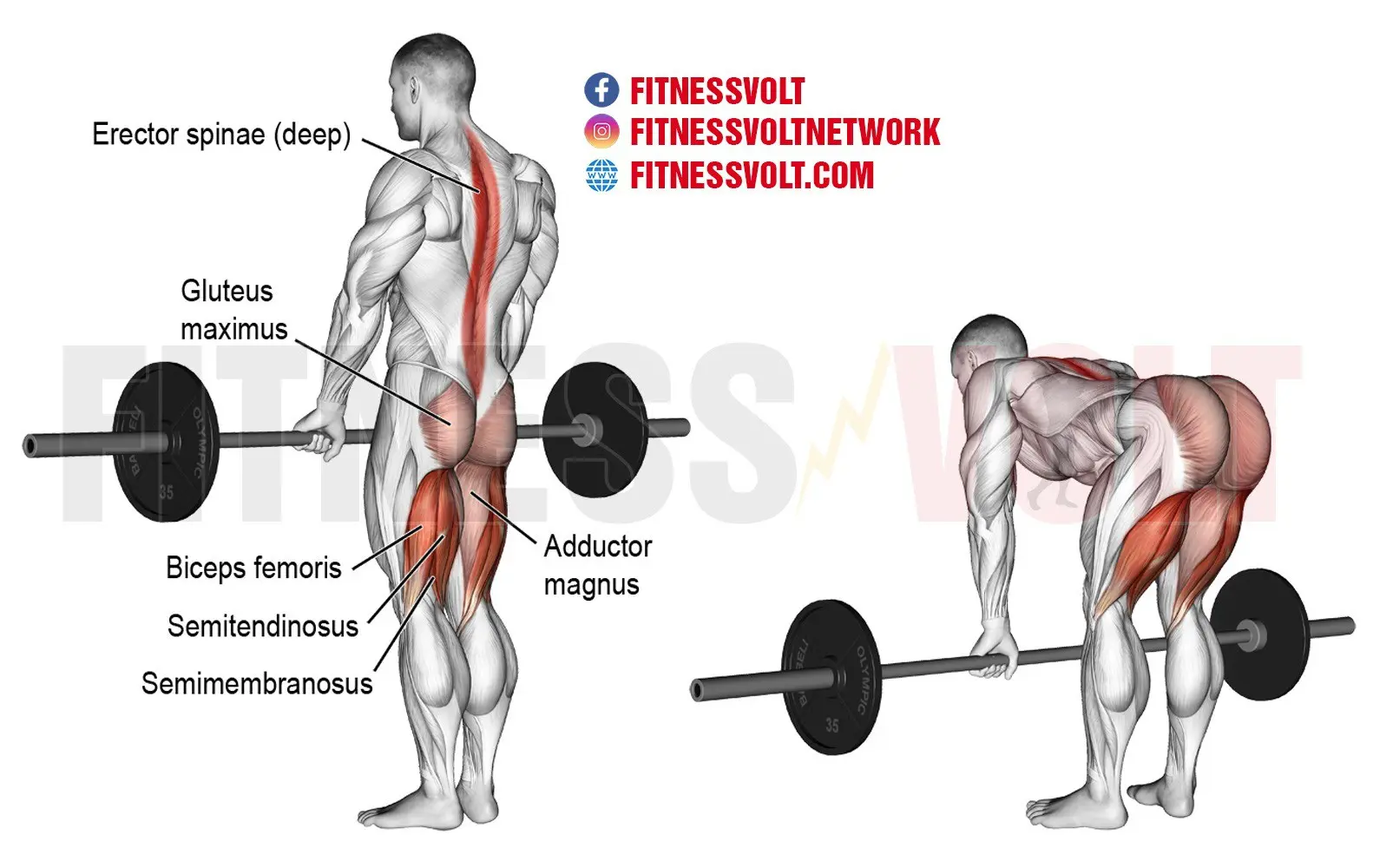 Deadlift: This event evaluates lower body strength and endurance, requiring soldiers to lift a hex bar loaded with weights from the ground to a standing position. The maximum score is achieved by lifting 340 pounds for three repetitions.
User Training: Some users were initially resistant to adopting the new technology, necessitating comprehensive training and support. Technical Issues: Early versions of the application faced technical glitches that required prompt resolution to maintain user trus Data Accuracy: Ensuring that the aircraft database was up-to-date and accurate required ongoing collaboration with manufacturers and regulatory bodies.
