Theoretical Insights into the ACFT Points Calculator
 This adaptability is essential for maintaining the relevance of the ACFT as a measure of soldier readiness. One of the primary functions of the ACFT Points Calculator is to standardize the scoring process. By utilizing a consistent formula, the calculator ensures that scores are fair and equitable across different demographics. The calculator uses a predetermined scoring scale, which is periodically reviewed and updated to reflect changes in training standards and fitness benchmarks. This is crucial in a military environment where diversity in age and gender is prevalent.
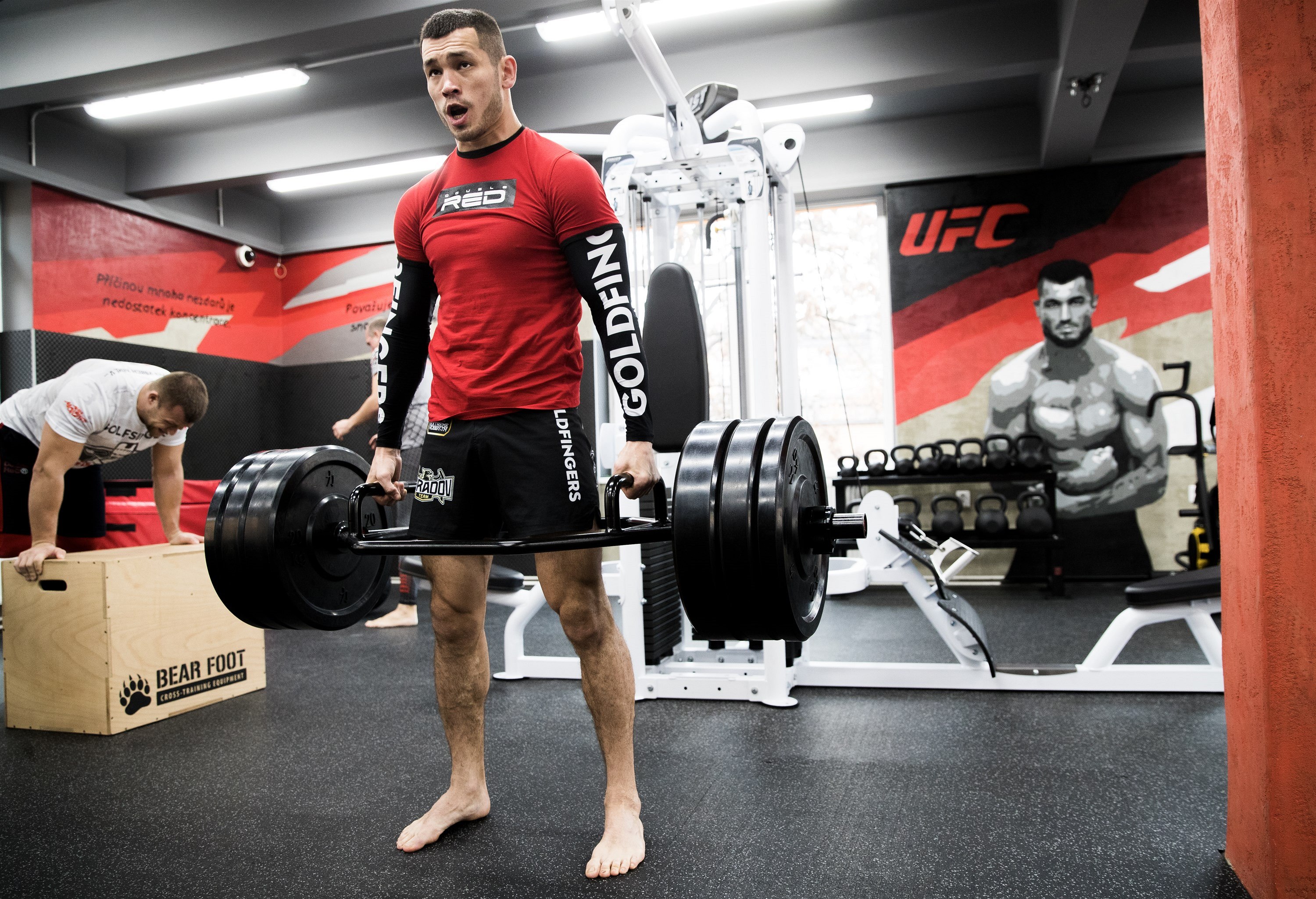
The scoring is tiered, with various increments providing a clear pathway for improvement. The maximum score is awarded for lifting 340 pounds. For the deadlift, female soldiers must lift a minimum of 120 pounds to achieve a passing score.
 The scoring ranges from “Gold” to “Fail,” with specific benchmarks for each event. In 2026, the ACFT scoring table has been adjusted to provide a more tailored approach for female soldiers. The scoring is based on age and gender, recognizing the physiological differences that exist.
The ACFT was introduced to replace the Army Physical Fitness Test (APFT) and aims to provide a more comprehensive assessment of a soldier’s physical capabilities. The ACFT consists of six events designed to evaluate strength, endurance, agility, and coordination.
Soldiers will be encouraged to seek support for stress management and overall well-being, recognizing the connection between mental and physical health. Mental Health Considerations: The holistic approach to fitness will necessitate a greater focus on mental health resources.
As the army combat fitness test calculator continues to evolve its fitness standards, the ACFT Points Calculator will remain an essential tool in promoting soldier readiness and fostering a culture of health and resilience. Its theoretical underpinnings highlight the importance of a comprehensive approach to physical fitness that encompasses multiple dimensions of performance. In conclusion, the ACFT Points Calculator is a vital component of the Army Combat Fitness Test, serving to standardize scoring, motivate soldiers, and inform training strategies. By leveraging data-driven insights, the Army can ensure that its soldiers are not only physically fit but also prepared to meet the demands of their mission in an increasingly complex operational environment.
The existing manual processes were time-consuming, prone to human error, and often resulted in delays that could affect flight schedules. Airlines and flight operators were facing challenges in quickly determining aircraft performance metrics, which are essential for flight planning, fuel management, and regulatory compliance. The need for an Aircraft Point Calculator arose from the growing complexity of aviation regulations and the necessity for precise calculations in flight operations.
Each event is designed to test specific physical attributes such as strength, endurance, agility, and coordination. For instance, the deadlift assesses lower body strength, while the two-mile run evaluates cardiovascular endurance. This comprehensive scoring approach is vital, as it helps identify areas for improvement and informs training regimens tailored to individual needs. The theoretical framework of the ACFT Points Calculator is grounded in principles of exercise science and performance metrics. The calculator aggregates these scores to provide a holistic view of a soldier’s fitness level.
The Army Combat Fitness Test (ACFT) has undergone significant changes since its inception, and the 2026 iteration promises to further refine the standards by which soldiers are evaluated. This case study delves into the anticipated modifications and implications of the ACFT Score 2026 L, focusing on its impact on soldier performance, readiness, and overall health within the United States Army.
Age and Gender Adjustments: The new scoring system will account for age and gender differences, allowing for a more equitable evaluation of performance. This change aims to reduce the stigma surrounding fitness assessments and encourage participation across all demographics.
In the standing power throw, female soldiers must throw a 10-pound medicine ball a minimum distance of 6.5 meters to pass. This event emphasizes explosive strength and upper body power. The maximum score is achieved with a throw of 12.5 meters.
Regulatory Compliance: To ensure that all calculations adhered to the latest aviation regulations and standards. User-Friendly Interface: To create an intuitive platform that could be easily used by pilots and flight planners. Efficiency: To reduce the time required for performance assessments. Accuracy: To enhance the accuracy of aircraft performance calculations.
The test has successfully identified areas where soldiers may need improvement, allowing for targeted training and development. Despite the challenges, early evaluations of the ACFT have shown promising results. Many soldiers report feeling more prepared for the physical demands of their roles, and the emphasis on functional fitness has led to a culture of health and wellness within the Army.